Digit Span Test
Answer 18 quick questions about what actually happens to the details, thoughts, and reasons that pass through your day, and get a plain read on how often they make it to the moment you need them. Takes about 4 minutes.

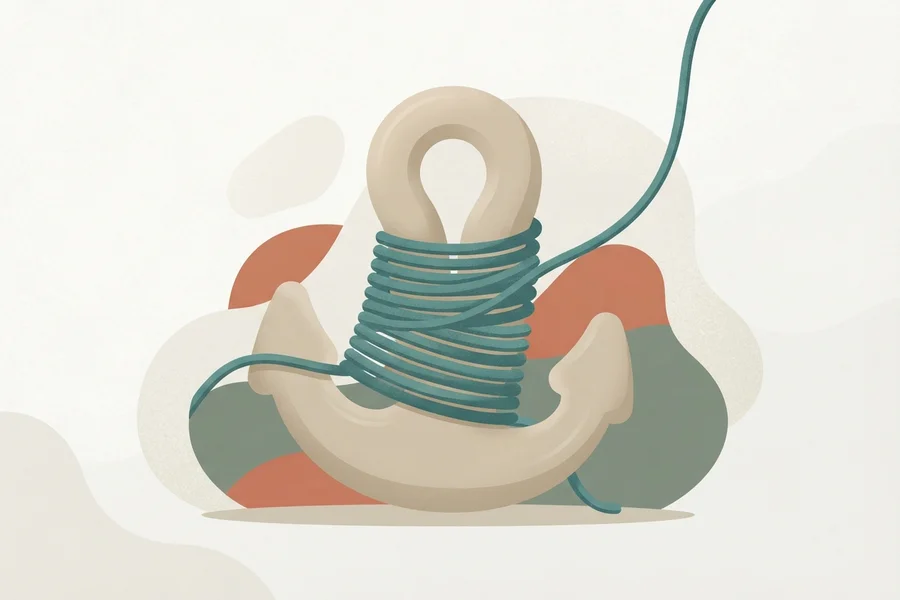
It almost never slips your mind.
Most of what reaches you out loud, or forms as your own thought mid-sentence, survives the short gap to the moment it's actually needed. A phone number gets written down. A reason for walking into a room is still there once you arrive. The thread of your own sentence lands where it was headed.
This shows up as low friction in ordinary exchanges: fewer moments of asking someone to repeat themselves, fewer trips back to recheck something already done, fewer sentences that trail off with nothing behind them.
Not a clean bill of health — this result only reports how rarely this one kind of lapse happens, not memory in any broader sense, and not intelligence. An occasional slip still happens here; it's simply not the rule.
What it leaves open is what a day actually feels like when double-checking almost never enters into it — notice it, the next time something just stays.
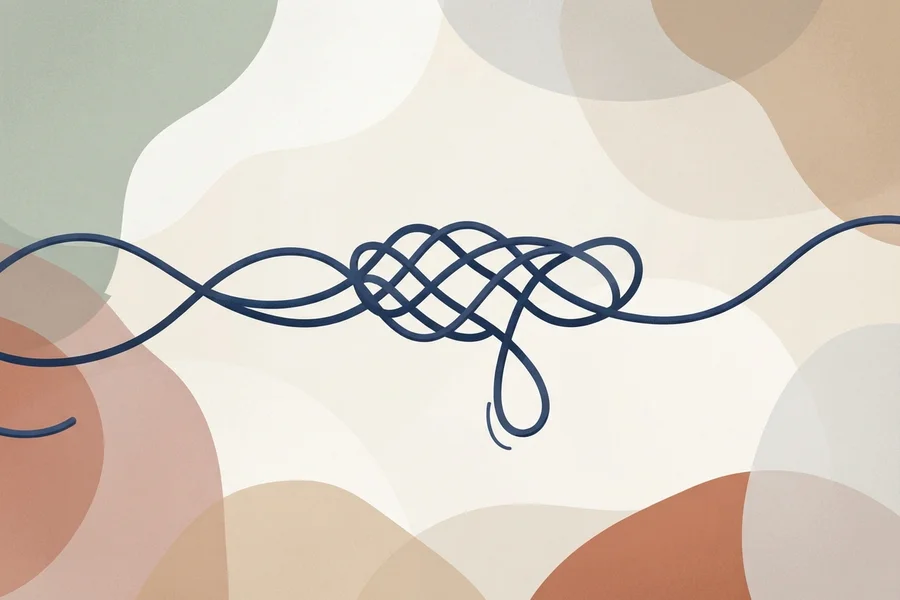
It slips your mind occasionally, mostly on the heavier days.
Information mostly makes it to where it's needed — a name, a reason, the thread of your own sentence — except on the days that ask more of you. A rushed morning, a distracted hour, one thing too many competing for attention, and something slips that would otherwise have held.
The shape of it is recognizable: these lapses show a pattern rather than showing up at random, tied to load rather than to nothing at all.
A spoken detail or a half-finished thought still lands where it was supposed to more often than not. The exceptions have a reason behind them, even if that reason isn't always obvious in the moment.
What's left open is whether the busier stretches are actually as unavoidable as they feel, or just the ones that happen to leave a mark.

It slips your mind about as often as it stays.
Across a spoken detail, your own train of thought, something just processed, or a reason on arrival, no dependable lean shows up either way. Some of it holds. Some of it doesn't. That's the honest finding here, not a hedge or an unclear read.
On a given day, this can look like remembering exactly why you walked into a room and, an hour later, asking someone to repeat a number they just gave you.
There's no single story that explains all of it — no obvious pattern tying the holds to one kind of moment and the slips to another.
One thing to notice once you start paying attention: which of the four — a spoken detail, your own thread, something just processed, or a reason at the point of arrival — tips more toward slipping for you specifically.

It often slips your mind, even on an ordinary day.
The moment of actually using something — writing a number down, finishing a sentence, remembering why you walked into a room — often doesn't survive the short gap from when it arrived. And this isn't reserved for the hard days: ordinary, unremarkable conditions are enough.
Asking someone to repeat themselves, doubling back to redo a count already finished, retracing a few steps to recover a reason — these become a regular part of how a day runs, not a rare exception to it.
Nothing here is being pretended away, and noticing a pattern this clearly still counts for something: a slip you can name is easier to plan around than one that catches you by surprise every time.
This is a frequency report, not a verdict on intelligence and not a diagnosis of anything — what it leaves open is where, out of the four everyday moments this test tracks, the slipping actually concentrates for you.

It almost always slips your mind, even when it should be easy to hold onto.
Lapses like these show up broadly — a spoken detail, your own train of thought, something just processed, a reason or a name right at the point you'd use it — and they show up even under conditions that would usually make holding on easy: nothing else competing for attention, nothing rushed, nothing repeated.
A result this high specifically carries a real presence of the fourth kind — a reason or a name slipping right at the moment of arrival — not just an accumulation of smaller slips elsewhere.
The upside is a clear, well-evidenced picture of exactly where and how often this happens, rather than a vague sense that something's off. Re-asking, re-checking, and retracing steps becomes a noticeable feature of an ordinary day rather than an exception to it.
This is a frequency report, not a diagnosis, and it doesn't say what's behind it. When lapses like these are frequent enough to consistently get in the way of work, relationships, or safety, it's worth mentioning to a doctor — not because this result has identified anything, but because a professional is positioned to actually look into it.
Your results are no accident
The classic 16-type personality test rooted in Jung's typology has been rebuilt from the ground up: a new CoreTypes methodology, and a far higher level of accuracy. These might be the most useful ten minutes you'll ever spend on yourself: you walk away with the key to your decisions, your relationships and your results — and it's yours for good.
Take the free testFrequently Asked Questions
Is this the test where you're shown digits and asked to repeat them back?
No. Nothing is shown to you and then made to disappear, there's no typed or spoken recall step, no sequence that grows in length, and nothing here counts a correct or incorrect answer. This test reports how often your own everyday information — a detail you just heard, a reason you had a moment ago — fails to survive to the point you actually need it, not a performance score on the specific instrument this theme is named after. Put a number on it: less than 1% of the difference in how someone's memory actually performs can be explained by how good they believe it is — that's about as unrelated as two things can be.
What's a good digit span score?
There isn't one to give here — this test doesn't produce a digit-span number of any kind. What it reports instead is how often here-and-now retention lapses show up in your day, on a frequency scale built for that and nothing else.
How can I improve my digit span?
That's outside what this test covers. It reports a current pattern, not a training method, and it isn't built to hand you a score to work on raising.
Is this level of forgetfulness normal, or something else?
Lapses like these usually trace back to ordinary things — a heavier stretch than usual, not enough sleep, too much competing for your attention at once. If a pattern feels persistent or is genuinely worrying you rather than just describing a busy week, a doctor is a better source of answers than a quiz.
What should I do if my result comes back high?
A high result here is common and usually tied to everyday load rather than anything fixed about you. If it's persistent enough to actually get in the way of your day, it's worth mentioning to a doctor — this result doesn't diagnose anything, and nothing here names a cause.
Methodology
This test works like most everyday self-report tools: instead of testing performance directly, it asks you to recognize your own pattern across a set of ordinary moments — a detail someone just told you, your own sentence mid-thought, something just processed, a reason or a name on arrival — and your result comes from where you land across all of them.
Being direct here: this isn't the digit span task its name refers to. Nothing is shown and made to disappear, no typed or spoken recall answer, no sequence that grows until you get one wrong, and nothing counts a correct or incorrect answer. What gets measured is how often everyday information fails to survive from the moment it reaches you to the moment you'd use it — a separate question from an objective memory score: research puts self-reported memory ability and objectively measured memory performance well under 1% shared variance. The two barely move together.
Because of that gap, treat this as a frequency report on your own noticing, not a stand-in for a timed, observed measurement of what your memory can hold. A pattern like this can shift with sleep, stress, or a demanding stretch, rather than staying fixed like a lab score.
This isn't a diagnostic instrument, and it doesn't replace a professional evaluation of a genuine, persistent memory concern — for general guidance on when memory changes are worth looking into, a doctor remains the right resource, not a self-report quiz like this one.
References
- Miller, G. A. (1956). The magical number seven, plus or minus two: Some limits on our capacity for processing information. Psychological Review, 63(2), 81–97.
- Broadbent, D. E., Cooper, P. F., FitzGerald, P., & Parkes, K. R. (1982). The Cognitive Failures Questionnaire and its correlates. British Journal of Clinical Psychology, 21(1), 1–16. doi:10.1111/j.2044-8260.1982.tb01421.x
- Crawford, J. R., Smith, G., Maylor, E. A., Della Sala, S., & Logie, R. H. (2003). Normative data and latent structure in a large non-clinical sample. Memory, 11(3), 261–275.