Stress Test
Answer 12 quick questions about how things have actually felt lately — there’s no right answer, just your honest first reaction. In about 3 minutes you’ll get a plain-language read on how much stress you’re carrying right now, not a score to decode.


Even Keel. Barely any stress right now.
Right now, your life mostly holds its shape. The unexpected still shows up now and then, plans still slip occasionally, but none of it currently reads as more than you can handle — this is what a genuinely light current load looks like, not the absence of a life with anything happening in it.
You close most days with your list roughly cleared, and a curveball rarely knocks you off balance for long. Whatever's being asked of you at the moment, you're keeping pace with real room to spare.
The strength here is real: with this much slack, you're free to take on more, help someone else carry theirs, or simply rest without guilt — capacity most people would recognize as a genuine advantage.
The quieter side of it is that steady ground can dull the signal when things do start shifting — a light load can tip toward a heavier one gradually enough to go unnoticed at first.
Worth asking, then: is this the shape your life usually takes, or a rare calm stretch you'd like to understand and hold onto?

Occasional Squalls. Mild, occasional stress right now.
An ordinary week for you currently has room in it, with occasional stretches where demand pulls ahead of what you can comfortably keep up with. That's the exception here, not the rule — a mild, occasional current load rather than a constant one.
Maybe it's a stretch before a deadline, or a week where three things land at once, and then it passes. Most days you're on top of things; some days you're catching up.
That flexibility is the strength: you absorb the occasional overload without it reshaping your whole week, and you recover the slack fast once the pressure eases.
The cost is that the exceptions can quietly get more frequent without you tracking it that way, since each one still feels like just this week.
What would it take to notice if those occasional stretches started showing up more often than they used to?

Full Plate. A real, everyday amount of stress.
Right now, demand and your capacity to meet it read as genuinely evenly matched — some stretches you're on top of things, some stretches things are on top of you, in roughly equal measure. That's an ordinary, everyday amount of current stress, not a warning sign by itself.
Unpredictable days and days that go exactly to plan both show up often enough to feel normal. Neither one dominates the picture.
The strength in sitting here is that you're used to operating right at this line — you've built real, working habits for absorbing a genuine load, not just an easy one.
The cost is that there's less spare margin than at a lighter load, so a single added demand can be the one that tips a week from manageable to genuinely hard.
Which parts of your week are actually feeding that load, and which ones could quietly be set down?

Running Hot. Clearly elevated stress right now.
Life is currently reading as more unpredictable, harder to steer, and more overloading than an everyday amount — clearly elevated, even if nothing here names a cause or explains why.
Plans are getting knocked sideways more than they used to, the list at day's end is longer than it should be, and holding everything currently open in your head takes real, deliberate effort.
The strength is that you're still functioning under real weight — keeping the essentials moving even while the margin has all but disappeared is not nothing.
The cost shows up in what quietly gets dropped to make room: rest, a hobby, the slower conversations that matter but don't shout for attention. A professional's perspective is one reasonable option worth having on the table alongside whatever else is currently helping — not a verdict, just a possibility.
What would carrying even a little less of this actually look like for you this week?
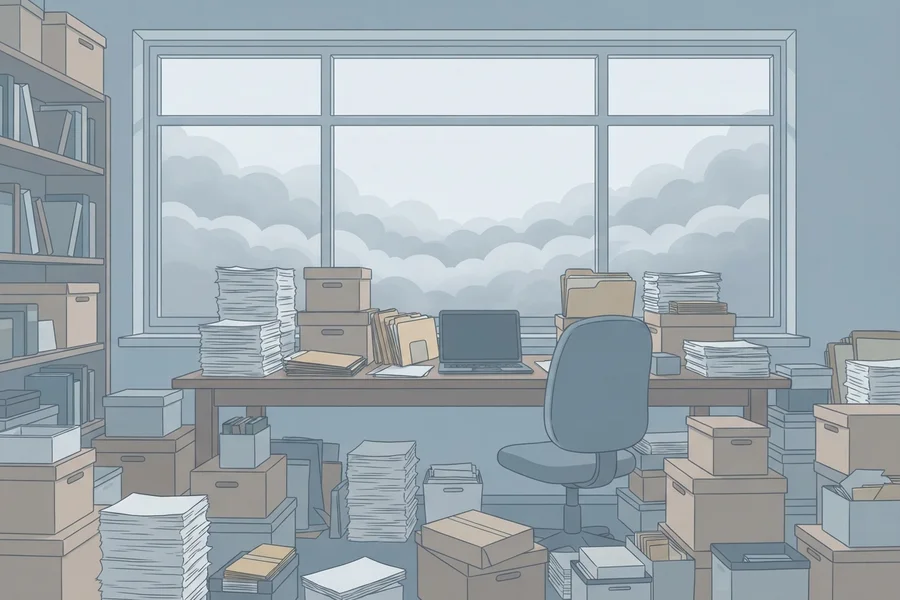
Redlining. Heavy, near-constant stress right now.
Right now, life is reading as close to constantly unpredictable, out of your hands, and more than you can currently keep up with — the far end of what this test measures, and a genuinely heavy current load.
Little seems to hold its shape for long: plans shift, the list never really clears, and there's rarely a stretch where you're not holding several open things in mind at once. This describes what the last while has actually felt like — not a cause, and not a prognosis.
The strength worth naming is that you're still here, still moving through days this loaded, which takes more than it looks like from the outside.
The cost is that carrying this much, this constantly, leaves little room for anything else — including the rest and support that would actually lighten it. A professional's perspective is a reasonable option worth having for a load this heavy — available, not mandatory, and nothing about this score is a diagnosis or a reason to panic.
What's one piece of this load you could hand off, or simply put down, before the week goes further?
Your results are no accident
The classic 16-type personality test rooted in Jung's typology has been rebuilt from the ground up: a new CoreTypes methodology, and a far higher level of accuracy. These might be the most useful ten minutes you'll ever spend on yourself: you walk away with the key to your decisions, your relationships and your results — and it's yours for good.
Take the free testFrequently Asked Questions
How do I know if I'm stressed? Is my stress level normal?
This test doesn't hand you a percentile or compare your score to some official average — nobody has that number, and the research behind this kind of scale doesn't set one universal cutoff either. What you get instead is a plain-language read on your current appraisal: lighter than an everyday amount, an everyday amount, or heavier than an everyday amount. If your result reads as heavier than what's typical for you, that's worth paying attention to regardless of where the exact line sits.
What's the difference between stress and anxiety?
Stress is tied to something identifiable happening right now, and it tends to ease once that thing resolves. An anxiety disorder is different: it's diagnosed by persistent, excessive worry that continues even when there's no clear present stressor, and it's defined by its severity, duration, and how much it interferes with daily life. This test only reads current appraised stress — it doesn't screen for, detect, or rule out an anxiety disorder.
Is stress always bad? What's the difference between good stress and bad stress?
No. Some stress comes with demand that actually feels engaging and within your own capacity — the kind that sharpens focus rather than draining it. A low result here describes currently manageable demand, not an absence of stress altogether, so it's not read as "you have no stress" — just as a lighter current load.
Am I burned out, or just stressed?
Burnout is a specific pattern — exhaustion, cynicism, and a reduced sense of accomplishment — that develops from chronic, unresolved stress specifically tied to work. This test measures stress in general, across whatever domains of life currently apply to you, not stress anchored to a job alone, and it doesn't identify or measure burnout as its own condition.
Can a stress test or quiz actually diagnose me?
No. This is a self-report reflection on how you're currently appraising the demands on you, not a diagnostic or clinical instrument. It can't identify, screen for, or rule out an anxiety disorder or burnout — only a mental health professional can actually diagnose either one.
Methodology
This test approaches its subject the way research on stress does: it asks about your current appraisal of demand against your own capacity to keep up with it — not a tally of stressful events, and not how you cope with them.
It measures one current-state intensity: how unpredictable, how outside your control, and how overloading life currently feels. It doesn't score physical signs of stress or coping style, and it isn't a count of events — two people facing the same events can appraise them differently, and appraisal is what this test is built around. It's a self-report reflection, not a diagnostic instrument, a snapshot of right now, not a fixed trait. This kind of scale treats stress as a continuum with no universal cutoff, so your result is a real-world band, not a clinical threshold. The World Health Organization frames stress as a normal reaction that can even help you meet a demand — the problems start once it turns excessive, not from the fact that it exists.
This test does not identify, screen for, or rule out an anxiety disorder, which is marked by persistent worry that continues even without a present stressor; stress itself is tied to a current, identifiable demand and eases once that demand does. Nor does it identify, screen for, or measure burnout, a distinct syndrome tied to chronic, unresolved stress at work. Only a mental health professional can diagnose either condition, and no result here, at either end of the scale, reads as alarming or as a dismissal of what you're carrying.
References
- Selye, H. (1936). "A syndrome produced by diverse nocuous agents." Nature, 138, 32.
- Lazarus, R. S., & Folkman, S. (1984). Stress, Appraisal, and Coping. Springer Publishing Company.
- Cohen, S., Kamarck, T., & Mermelstein, R. (1983). "A global measure of perceived stress." Journal of Health and Social Behavior, 24(4), 385–396.