Pickiness Test
Answer 18 quick questions about your everyday eating — new dishes, textures, mixed plates, and more — and get a clear picky-eater level at the end. Takes about 4 minutes.

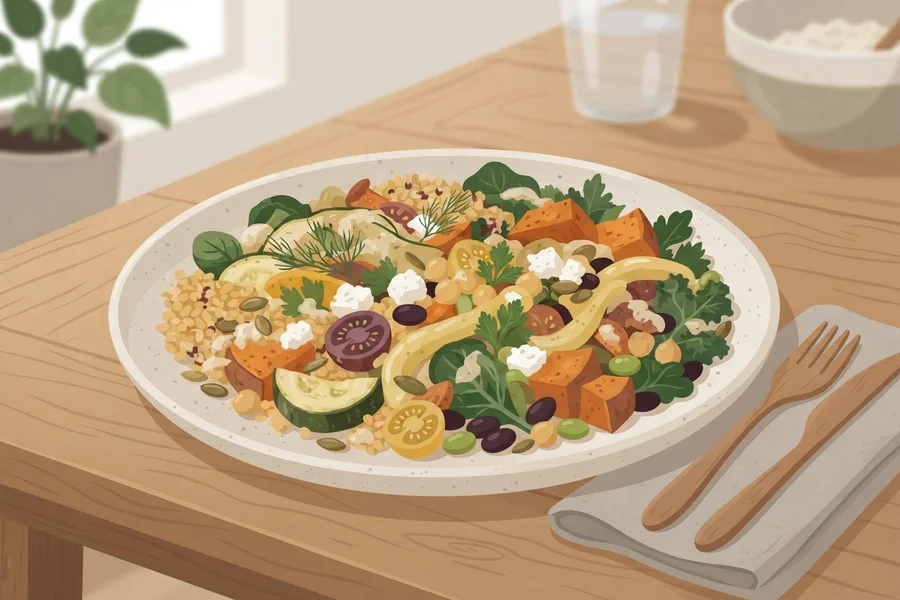
The Open Plate — barely a picky eater, if at all
Food doesn't put up much of a fight for you. An unfamiliar dish gets a fair shot before you've finished reading the description, and texture, smell, or an odd color barely register as something worth reacting to.
Your regular rotation shifts easily — there's no short list to fall back on, and a shared meal chosen by someone else needs no advance scouting. Bitter or spicy food goes down about as easily for you as it does for everyone else at the table.
Almost nothing about a meal narrows your options before it even starts, and you can say yes to most invitations without a second thought.
The tradeoff is quieter: with so little to filter by, you might give a dish less scrutiny going in than someone more particular would, and a kitchen that's cut a corner or two can slide right past you.
None of this means you love absolutely everything — just that whatever you don't like never adds up to a pattern big enough to show up here.
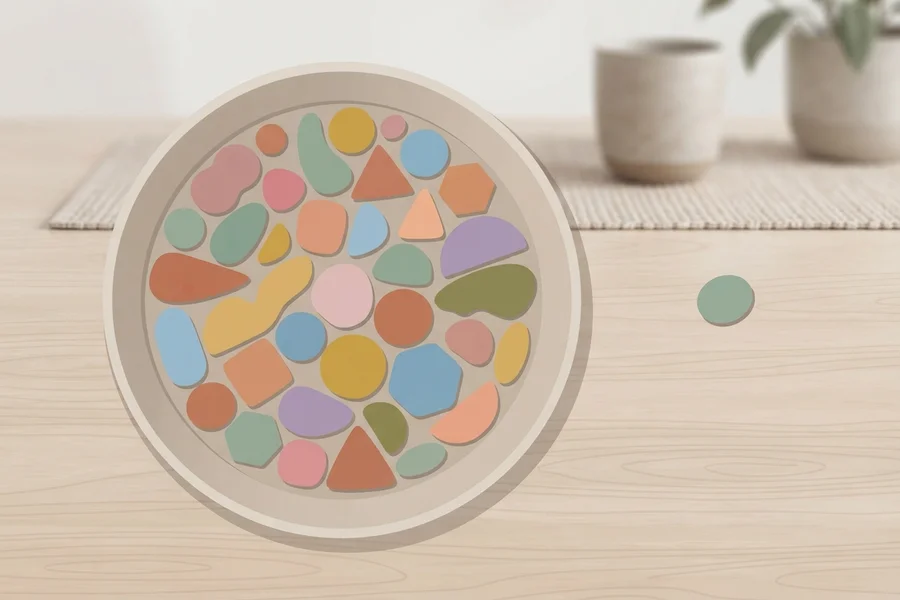
The Short List — a picky eater only around the edges
Most of what lands on your plate goes down without any resistance from you. It's really just a handful of specific things — maybe a texture, maybe a particular dish gone wrong once — that reliably trip you up, while everything else moves along fine.
You're flexible enough that those sticking points don't derail a meal already in motion; you work around them and keep going.
To someone who doesn't know your particular limits, the pattern can look a little inconsistent — fine with one strange thing, oddly firm about another that seems just as strange.
Which exact things trip you up is yours to know; this result only says there's a short, specific list, not what's on it.
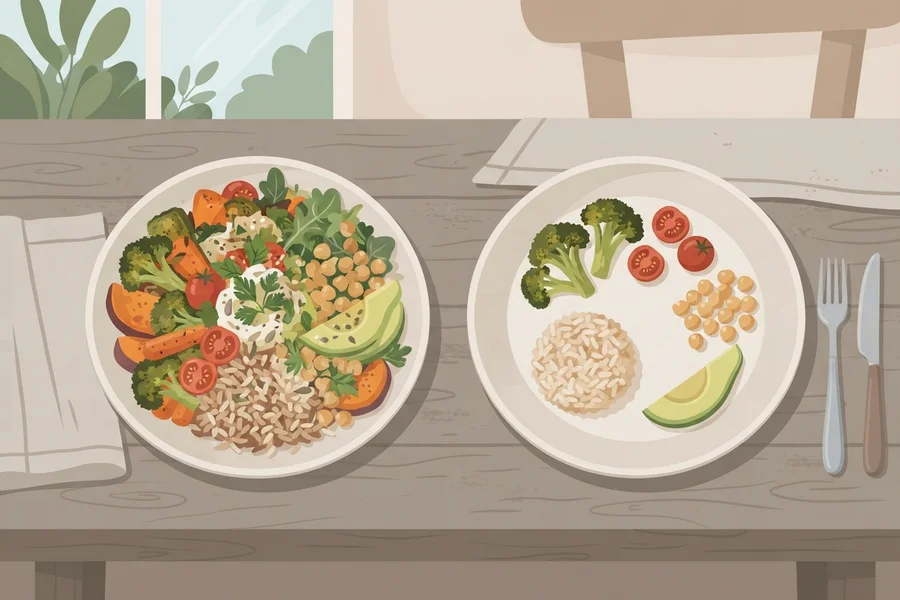
Swing Vote — picky depending on the day and the dish
Your answers don't lean hard in either direction, and that's the honest shape of it: on some fronts nothing much bothers you, and on others a real limit shows up, with neither side taking over.
One week you're the one suggesting the unfamiliar cuisine; another week, a plate that's all mixed together gets sent straight back without much thought. Neither reaction cancels the other out — both are just as much you.
The upside is that nobody can predict you wrong, because there's no single pattern to get wrong in the first place.
The flip side is that this mix is genuinely harder to sum up in one line than either end of this scale — there isn't one dominant tendency you can point to and call "that's how I eat."
This isn't the test running out of things to say about you — it's exactly where genuinely mixed answers are supposed to land.
The Edited Menu — a genuinely picky eater
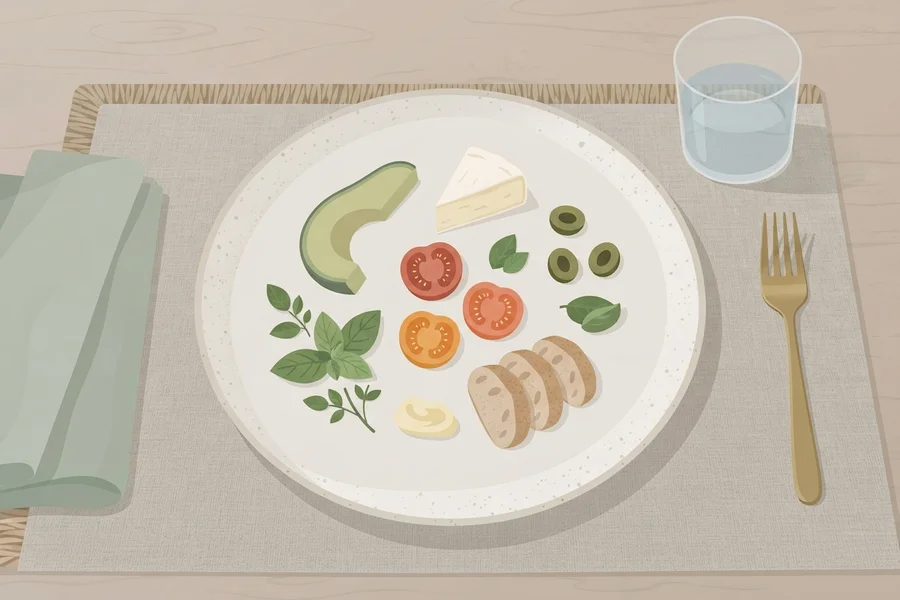
Real limits show up for you across most of the ground this test covers — a narrower list of dishes you'll reach for, firm reactions when texture or flavor intensity catches you off guard, and an instinct to check what's coming before you commit to something unfamiliar.
You know your own edges well, which means you tend to see a mismatch — a menu with nothing workable, a meal that's all mixed together — coming before it turns into a problem at the table.
The cost shows up in how much a single meal can ask of you: the range of options that actually work for you at any one sitting runs narrower than most people's, and going along with someone else's choice takes real, active effort.
Selective across most of this doesn't mean selective about everything, though — there's likely still a corner or two where you're genuinely easy to please.
Creature of Habit — about as picky as it gets
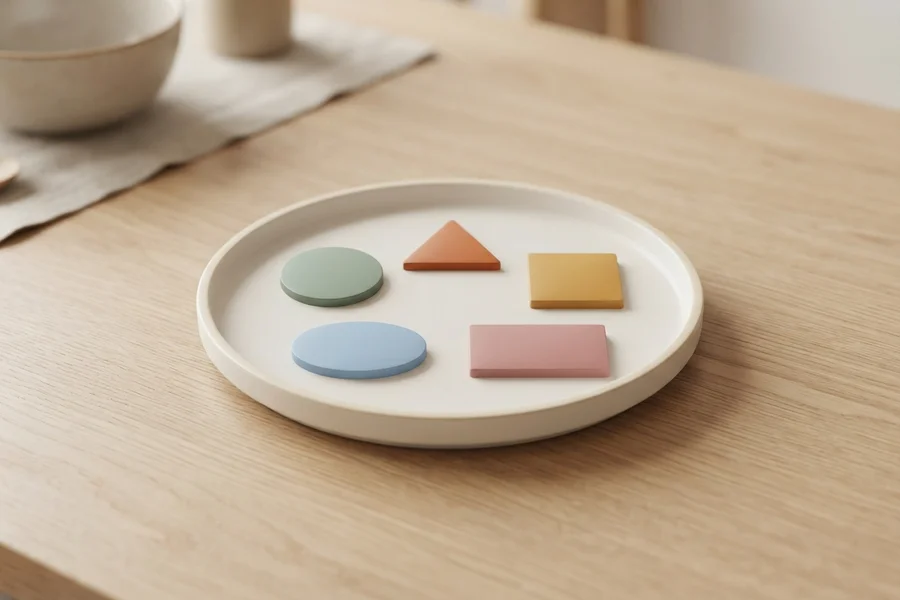
Almost every part of this test points the same direction for you — unfamiliar food, texture and smell, how wide your regular list runs, how a dish gets put together, shared meals, and how intense flavors land, all pulling toward the selective end at once.
That adds up to an unusually reliable relationship with your own plate: you know close to exactly what you're getting into before a single bite happens, with very few surprises left.
The flip side is what it asks of everyone else — the accommodation is real and constant, and a new dish faces a steep climb before it gets a genuinely open first try from you.
This sits at the far edge of an ordinary, everyday range of eating — a strong pattern in how selectively you eat, and nothing more than that.
Your results are no accident
The classic 16-type personality test rooted in Jung's typology has been rebuilt from the ground up: a new CoreTypes methodology, and a far higher level of accuracy. These might be the most useful ten minutes you'll ever spend on yourself: you walk away with the key to your decisions, your relationships and your results — and it's yours for good.
Take the free testFrequently Asked Questions
How much of a picky eater am I?
This test gives you a direct level, not a yes-or-no label — your answers add up to a score, and where that score lands on the scale is your answer. There's no separate "picky or not" verdict hiding behind it.
What percent picky eater am I?
That percentage is your total score converted onto a 0–100% scale that only this particular quiz uses, running from least to most selective. It says nothing about how anyone else answered — no outside numbers or comparisons go into the math at all.
Why am I such a picky eater?
That's outside what this test looks at. It measures how selective your eating is right now, across a handful of everyday situations — not where that pattern came from or why it formed. No cause gets assigned here, on purpose.
Is being a picky eater normal for an adult?
Plenty of adults sit somewhere on this same spectrum, so a high score here isn't unusual on its own — it's just one end of a pattern that shows up in ordinary people all the time. Nobody's number gets marked as better or worse than anyone else's; it's a spot on a scale, not a grade.
What foods do picky eaters avoid?
There's no master list of foods this quiz is checking you against. What it actually tracks is your reaction — to a texture that catches you off guard, to a dish you've never seen before, to a plate that doesn't quite look the way you expected — because that pattern tells you more than any single ingredient could. So no roster of foods picky eaters supposedly can't stand is waiting at the end of this.
Methodology
This test looks at everyday food pickiness as a matter of degree, not a fixed type. The eighteen questions are grouped into six habits that tend to show up around eating: how a completely new dish gets treated before it's even tasted, how texture, smell, and appearance change what feels edible, how wide or narrow a regular meal rotation runs, how much a plate's presentation matters, how food shapes decisions about shared meals, and how intense flavors like bitterness or spice come across compared to what others at the same table seem to experience.
None of the questions was pulled from an existing questionnaire — they were written specifically for this test, informed by general research into adult eating behavior and taste perception (see references below), then grouped and scored independently.
These answers rely on memory, not on a food diary someone kept for a month — what you recall about how you typically react is the real input here, so results can shift a little depending on which meals happen to come to mind. Take the outcome as a rough read on a pattern rather than a precise measurement, in the spirit it's meant: a bit of fun with your own habits at the table, not a final ruling on how you eat.
References
- Pliner, P., & Hobden, K. (1992). Development of a scale to measure the trait of food neophobia in humans. Appetite, 19(2), 105–120. doi:10.1016/0195-6663(92)90014-W
- Ellis, J. M., Galloway, A. T., Webb, R. M., & Martz, D. M. (2017). Measuring adult picky eating: The development of a multidimensional self-report instrument. Psychological Assessment, 29(8), 955–966. doi:10.1037/pas0000387
- Bartoshuk, L. M., Duffy, V. B., & Miller, I. J. (1994). PTC/PROP tasting: Anatomy, psychophysics, and sex effects. Physiology & Behavior, 56(6), 1165–1171. doi:10.1016/0031-9384(94)90361-1