
Nursing Specialty Quiz
Questions: 21Time: ≈ 6 min
Read each of the 21 questions and pick the one answer, out of seven, that sounds most like how you’d like to work; none of them is right or wrong. At the end you’ll see which of seven areas of nursing leads in your answers (≈6 minutes).

Nursing Specialty Quiz: your result
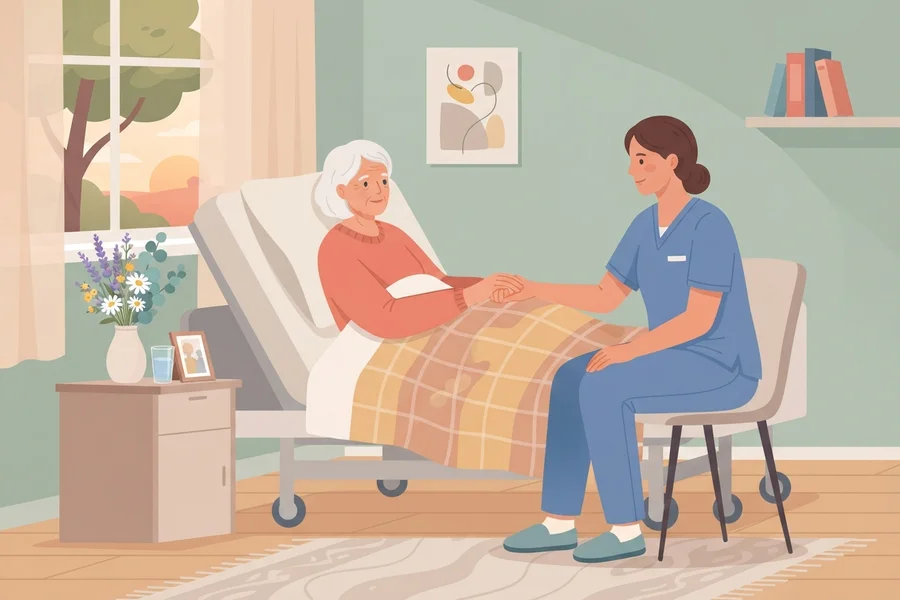
In your answers, Long-term relationships and end-of-life leads among the seven areas of nursing.
Picture the work as keeping someone company through a long illness or the later years, with serious illness and loss never far off. Hospice and palliative teams, oncology, geriatrics, dialysis, long-term units and chronic disease all live in this family. What it offers is knowing the same people across months and years.
Depth of presence is the gift; the cost is heavy emotional involvement in a narrower set of settings. Acute fields wear a shinier reputation, so interest here can go unspoken; this is no runner-up. Mental health sits beside it: both rest on a close tie with a person, yet this family brings hands-on comfort and symptom control to serious physical illness, where the other works mostly through talk.
One of seven equals, this family collected the most of your picks. Read that as a placing within your answers: no match score, no one else to compare against, and a neighboring family could suit you as well.
Nothing here is career guidance or a suitability verdict. Personality predicts specialty only faintly, and preferences move once you've worked in a field, so sit down with working nurses and try some practice.
Nursing Specialty Quiz: your result
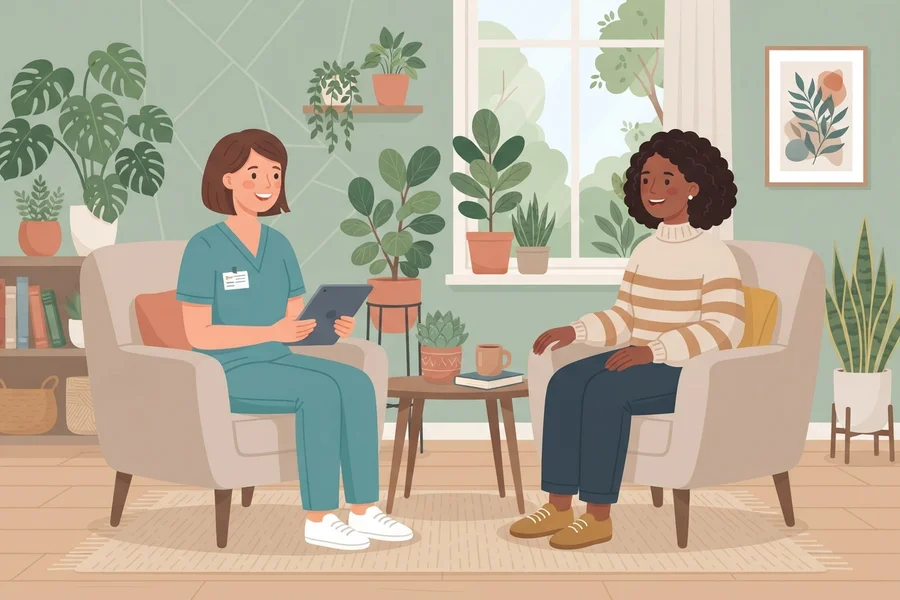
In your answers, Mental health leads among the seven areas of nursing.
Conversation is the instrument here. The working relationship with a person, built through listening, does what equipment does elsewhere. Day to day, the role covers assessing needs, planning, psychosocial work, medications and physical health, in a range of settings.
Interest in this area often grows once you've spent real time in it, and many students begin with a fuzzy sense of what the role involves. Steadiness and listening are the strengths, and the price is staying engaged emotionally for long stretches. Long-term relationships and end-of-life is the close neighbor: it shares the closeness with a person but adds physical care for serious illness.
The seven families each got a count from your picks, and mental health's was the highest. That's a placing within your own answers, not a grade, and the family next door may fit just as well.
Think of this as a conversation with yourself about how you like to work. Personality and specialty are only loosely linked, taste changes with exposure, and no family ranks above another. Ask people who do the work, and spend time on a placement.
Nursing Specialty Quiz: your result
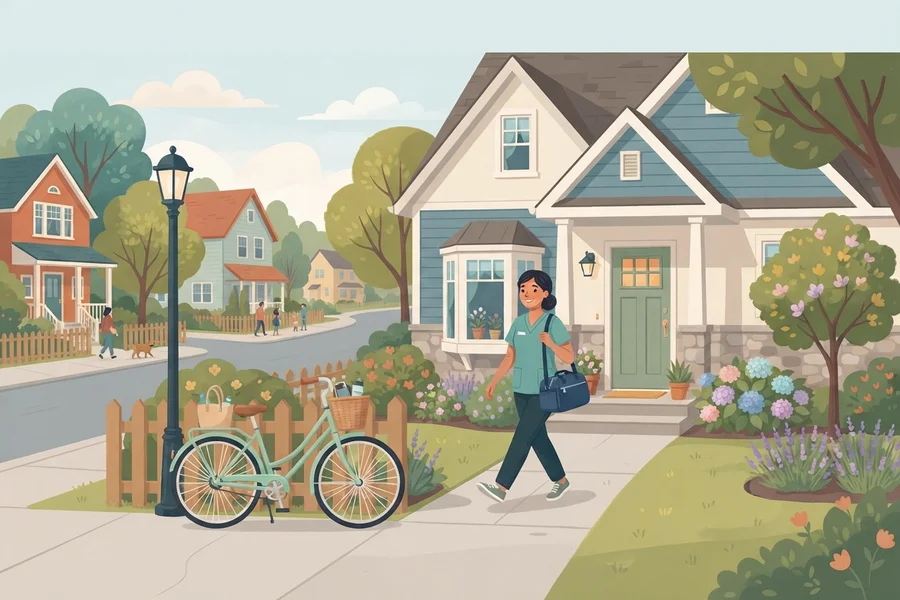
In your answers, Community and public health leads among the seven areas of nursing.
This is work that goes out to where people live. You make many of your own decisions and keep a flexible schedule, with an eye on preventing trouble and knowing a place well. Primary care, school nursing, district nursing, home health and public health programs all sit here. Each contact carries a lighter emotional load than work built around serious illness and loss.
Independence and variety are the draw, at the cost that more calls rest on your own judgment. Set beside long-term relationships and end-of-life, you trade some depth for variety and a lighter touch. Set beside education, research and systems, you stay with people at home and on their streets instead of turning toward trainees or a service.
You picked this family more than any other, which says where your answers leaned and nothing about match strength or other people's scores. A neighbor might fit just as well.
No career guidance, no suitability check: just a prompt about preferences. Likes shift with experience and personality links to specialty are weak, so chat with working nurses and try the work. None of the seven outranks another.
Nursing Specialty Quiz: your result
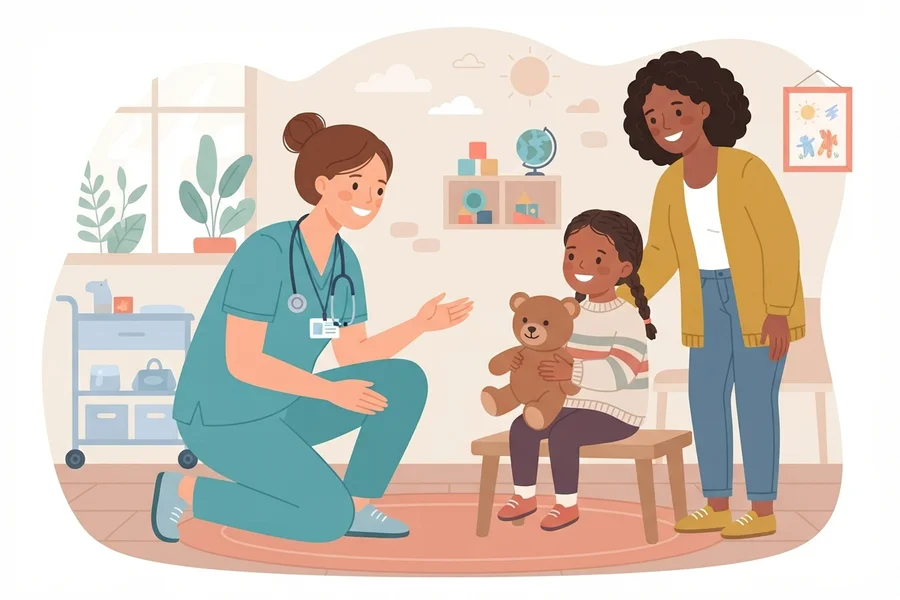
In your answers, Children and families leads among the seven areas of nursing.
Here the work revolves around one phase of life and whoever stands closest to the person. Support reaches those nearest a child as much as the child. Pediatrics, neonatal care and child health sit inside, with a pace that runs from newborn units to outpatient visits.
Its strength is treating a young person and their household as one unit. The cost: the work is tied to that phase and to the people around it, and nurses in this field report feeling undervalued. Compared with long-term relationships and end-of-life, the organizing idea differs: a developmental phase here, the course of a long illness there. Several families also work with children, so age alone doesn't define this one.
A neighbor may fit you as well, since this result only shows which family your answers favored among seven, not how well you match or how you compare.
Use it for reflecting on preferences, not as career guidance or a suitability call. Personality connects to specialty loosely, and experience reshapes preferences, which is why talking with working nurses and trying a placement beats any quiz. This family stands level with the rest.
Nursing Specialty Quiz: your result
In your answers, Education, research and systems leads among the seven areas of nursing.
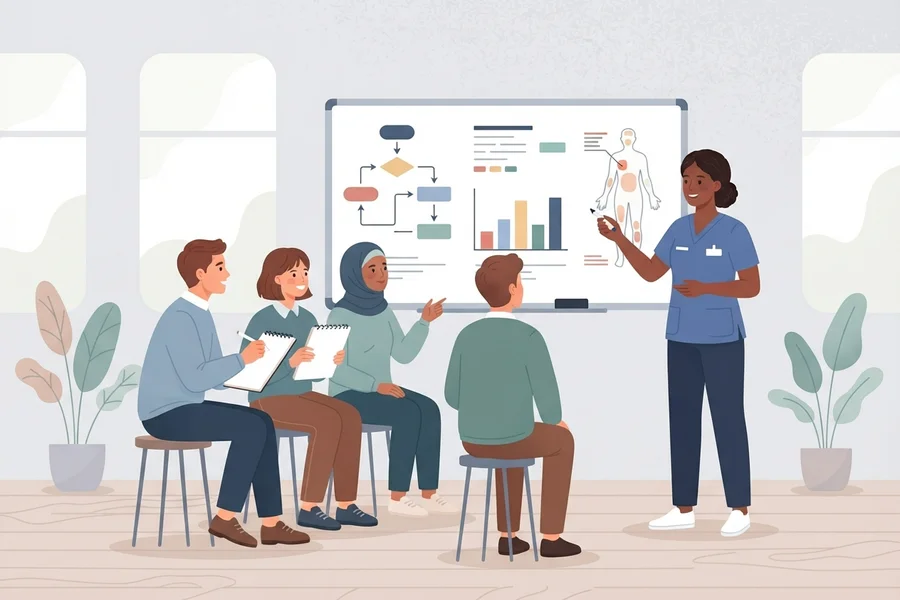
In this family the spotlight moves off patients and onto people being trained, information, or how a service is run: leadership, quality, informatics, instruction and evidence. Faculty members, clinical educators, researchers and informatics or quality specialists work here, and many such roles ask for time on the clinical side first, so it's somewhere to grow into and not a prestige ladder.
What it offers is a hand in how others pick up skills and how a service evolves. What it costs is direct contact with patients; the reward sits in a trainee's progress and in a service running well. Beside community and public health, which stays with people in their homes and streets, this family turns toward the people being trained and the machinery of care.
Education, research and systems took the lead in your seven, a relative placing: no strength-of-match score, no comparison with others, and a neighboring family could fit equally.
Preferences move with exposure, and personality barely predicts specialty. So treat this as reflection, not career guidance or a suitability verdict, then speak with working nurses and try some practice. It ranks level with every other family.
Nursing Specialty Quiz: your result
In your answers, Perioperative and procedural leads among the seven areas of nursing.
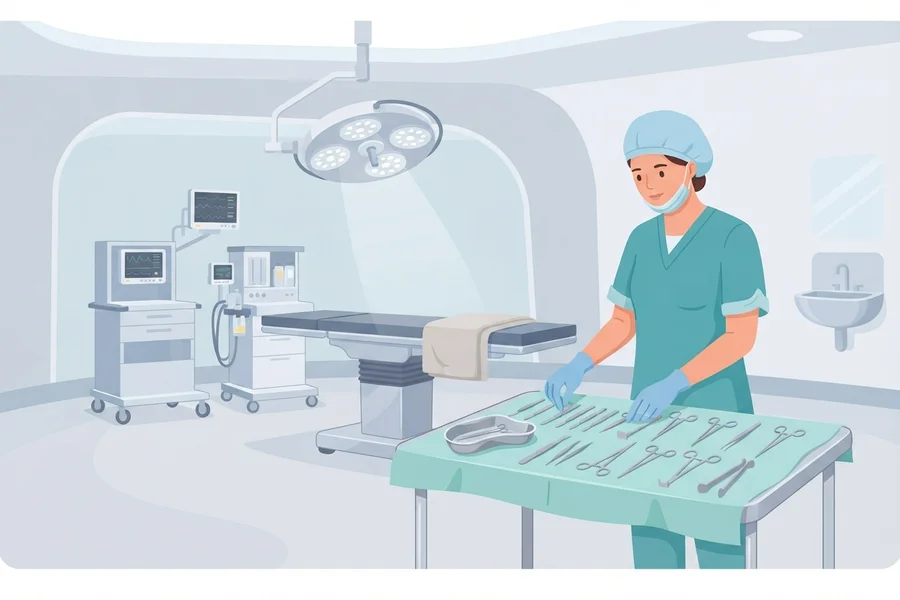
The unit of work here is a planned procedure with a clear beginning and end. Technique matters, team roles are exact, each person is met briefly, and technology fills the room, so learning never stops. Operating rooms, recovery after anesthesia, anesthesia nursing and catheter or endoscopy suites are all part of it.
Exactness and structure shared with a team are the strengths; the cost is that each encounter stays short and closed. This is also the family with the thinnest evidence behind it, so nothing here says anything about the personality of those who work in it. Acute and critical care is the neighbor: this family likes structure and technique in a controlled room over improvising when things are uncertain.
Perioperative and procedural led among your seven. That's standing inside your own answers only; it carries no match strength and no comparison, and a neighbor may fit equally.
Experience shifts preferences, so find working nurses to talk to and try a placement. Until then, take the result as a prompt to reflect, not career guidance or a suitability check. This family stands level with the other six.
Nursing Specialty Quiz: your result
In your answers, Acute and critical care leads among the seven areas of nursing.
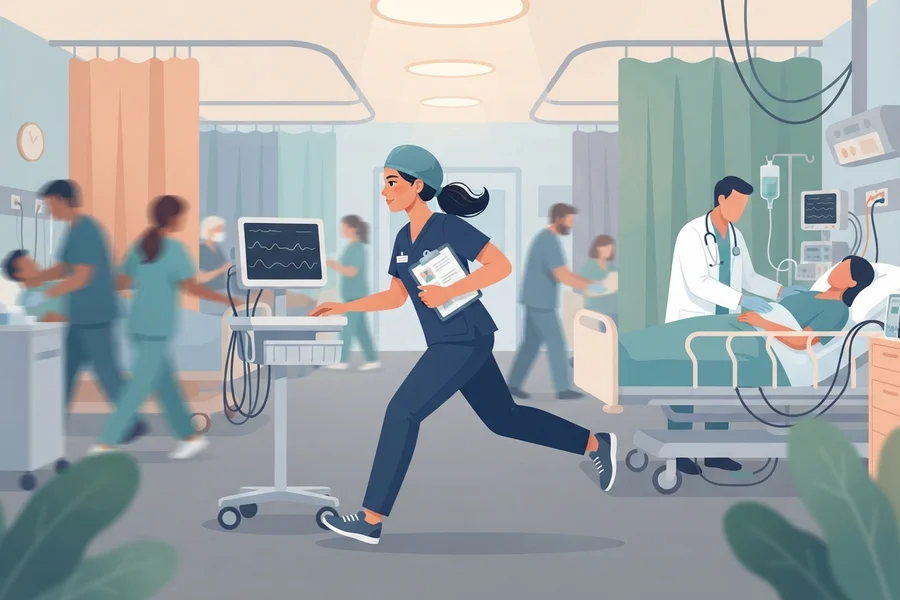
Situations here are unpredictable and keep evolving, and you meet them with your own judgment and technical skill. Intensive care, emergency, trauma and flight nursing belong to the family. Complex cases make a vivid place to learn, and life-support equipment is part of the room.
Quick judgment and technical command are the strengths. The cost is that encounters are short in plenty of settings, and the emotional intensity stays tucked inside the task. Perioperative and procedural is the neighbor: it prefers a planned procedure with a set start and finish, and this one stays with shifting situations.
Acute and critical care led among your seven families, which says how your answers fell, not how strongly you match. A neighbor could suit you equally well, and whatever status surrounds this one, it ranks no higher than the rest.
Consider it a reflection on preferences, not career guidance or a suitability check; personality connects to specialty weakly. Preferences change with experience, so ask working nurses about their days and try a placement.
Your results are no accident
The classic 16-type personality test rooted in Jung's typology has been rebuilt from the ground up: a new CoreTypes methodology, and a far higher level of accuracy. These might be the most useful ten minutes you'll ever spend on yourself: you walk away with the key to your decisions, your relationships and your results — and it's yours for good.
Take the free testYour result card
More tests like this
 Work Values Test
Thirty everyday work situations show which of six needs tops what you want from a job, from achievement to working conditions, plus your full profile.
 College Fit Quiz
Answer 20 quick questions about size, cost, and distance from home to find the college environment type that fits you — and the type that doesn't.
 Character Strengths Test
Answer 36 quick questions and find out which of eleven character strengths leads for you today, with all eleven scored side by side.
How this test works
Methodology
Every question offers seven answers, one for each family of nursing work, so each pick is a vote for a way of working. The family you choose more often than any other leads, and if two or more tie, the one listed first wins. The approach rests on the working preferences nurses themselves cite when they decide on a specialty.
Six themes sit behind the families: how close the work stands to serious illness and loss, how much independence the role allows, whether the focus is hands-on or on teaching and running things, how long contact with a person lasts, whether the main skill is technical or conversational, and how fast and unpredictable the pace is.
Keep the limits in view. Seven families can't cover every corner of the profession, and what you like today may change after time spent in a field. Self-reported fit also tends to drift toward fields with higher prestige, while personality tells us little about which specialty a nurse picks. Above all, the result is relative: it shows what leads inside your own answers, and it can't be compared between people or read as strength of fit. For a plain overview of the kinds of medical specialists, see this overview of types of medical specialists.
Use the result as a thinking tool, not career advice or an assessment of anyone. A sensible next step is a conversation with working nurses, plus a bit of hands-on practice.
Frequently Asked Questions
What kind of nurse should I be?
Nursing splits into seven broad areas, and the differences are things you can feel out for yourself. Do you want to stay with the same people for months, or meet someone new each hour? Do you want to stand near serious illness, or keep a lighter distance? Would you rather decide alone or inside a team, work with patients directly or help others learn and run a service? How fast should the day move? The quiz puts those preferences to you and shows which area leads in your answers. It gives you a place to start thinking, and nothing more.
How do I know which nursing specialty is right for me?
Start by asking nurses who work in an area what their days hold, and spend time on a placement if you can. Then weigh what the daily work contains and the pace you enjoy, and set aside how impressive a field sounds; prestige tugs at answers and says little about what an ordinary afternoon feels like there. Since likes change once you've actually been in a field, an early answer, including the one from this quiz, is a place to begin.
What nursing specialty is best for introverts?
Which kind of work you'd like to fill your days with matters more than temperament. Researchers have looked for a link between personality and specialty, but the studies are dated, limited in size and inconsistent, so they can't point a quiet person to one area and a talkative person to another. Every area has room for different working styles. This quiz looks at preferences instead, such as how long you want a contact to last, or whether you'd choose conversation over technique.
What are the different types of nursing?
Age is the first thing people reach for, but it isn't a family of its own: children, adults and older adults are served in several of them. Dozens of specialties fit into seven families here: long-term relationships and end-of-life, mental health, community and public health, children and families, education, research and systems, perioperative and procedural, and acute and critical care. Many nurses begin on a general medical-surgical unit; the quiz treats that as a place people start, not as an outcome.
References
- Kennedy, B., Curtis, K., & Waters, D. (2014). Is there a relationship between personality and choice of nursing specialty: an integrative literature review. BMC Nursing, 13, Article 40. doi:10.1186/s12912-014-0040-z
- Tiliander, A., Olsson, C., Kalèn, S., Ponzer, S., & Fagerdahl, A. (2022). Factors affecting nurses' decision to undergo a specialist education and to choose a specialty. Nursing Open, 10, 252–263. doi:10.1002/nop2.1300
- Hafner, R. J., & Proctor, N. (1993). Student nurses' specialty choice: the influence of personality and education. Contemporary Nurse, 2(1), 38–43. doi:10.5172/conu.2.1.38