
Biological Age Test
Questions: 18Time: ≈ 4 min
Answer 18 short questions about how you eat, move, sleep, smoke or drink, spend time with people and rate your own health; it takes about 4 minutes. At the end you see a level showing which way your current habits pull.

Biological Age Test: your result
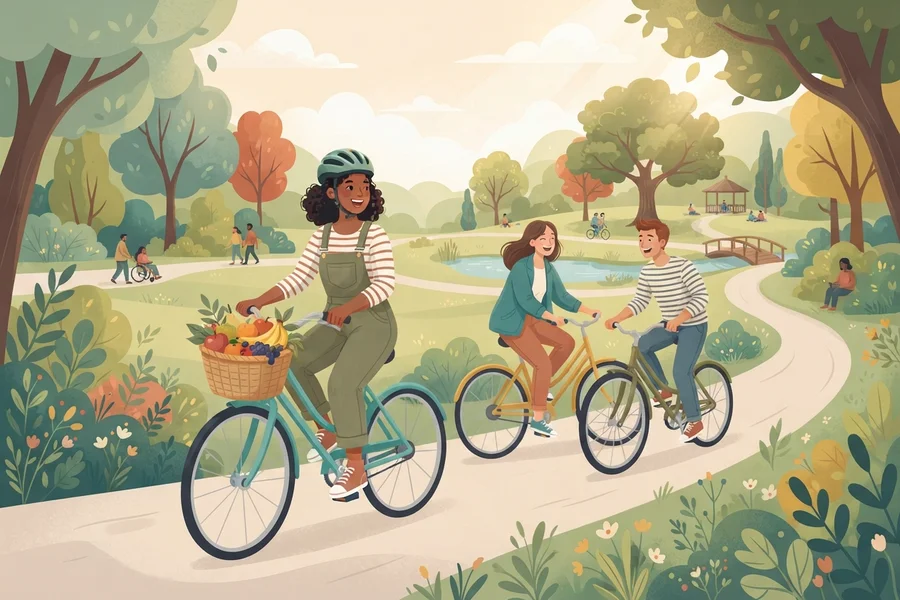
Headroom Your current habits pull strongly toward slower aging.
Across food, movement, sleep, smoking and alcohol, company, and how you rate your own health, almost nothing on this list showed up as a settled pattern for you. Where something did, it reads like a one-off with an easy explanation: a rough week, a holiday, a long project.
That puts your current habits on the slower-aging side of all six areas at once. No single answer carried it. The whole page leaned the same way, and that agreement is what a result like this is made of.
Take care with what you read into it, though. It does not say your body is unusually youthful in any measurable sense. It says that the patterns this test asks about are not a recurring feature of your days.
One sitting can't tell a favorable pattern from an easy stretch, and self-reported habits follow real biology only loosely. What you have is a snapshot of what you said, and it stays true for as long as the habits behind it stay yours.
Biological Age Test: your result
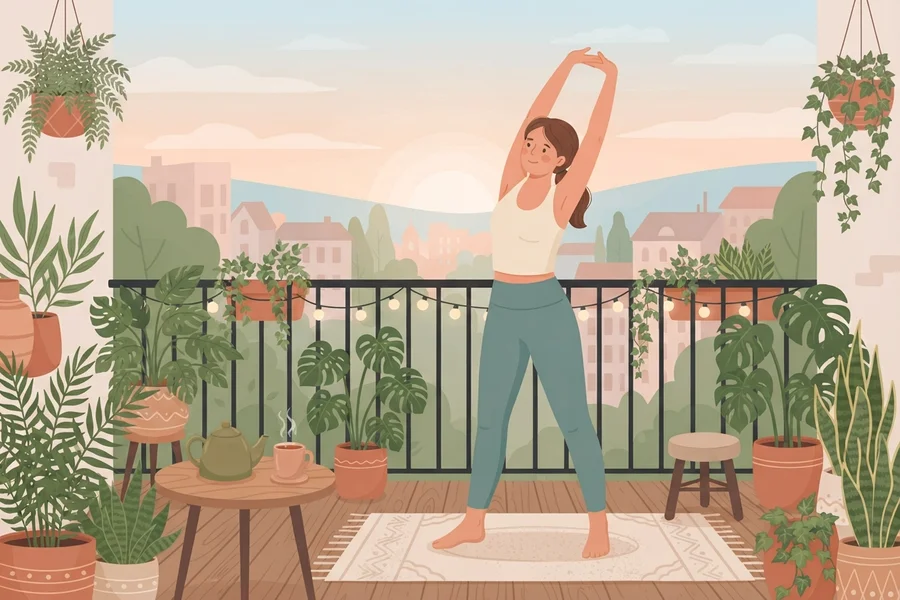
Steady Stride Your current habits pull somewhat toward slower aging.
Most of what this test asked about still points toward slower aging. Alongside that, one or two areas have begun to look like a pattern rather than an accident, and you caught them while they were happening, not only in hindsight.
That is your strength: the favorable answers outnumber the rest, and what is showing up sits next to them instead of against them. A habit is easiest to name while it is still small.
The cost is real, if modest. In those particular spots something now takes a bit more effort than it used to, or has hardened into a routine you would have to look at squarely to change.
This result can't say whether you are in a passing stretch or at the early edge of something more settled. A single sitting can't tell the two apart, and you probably can't yet either. The coming months of your own days will.
Biological Age Test: your result
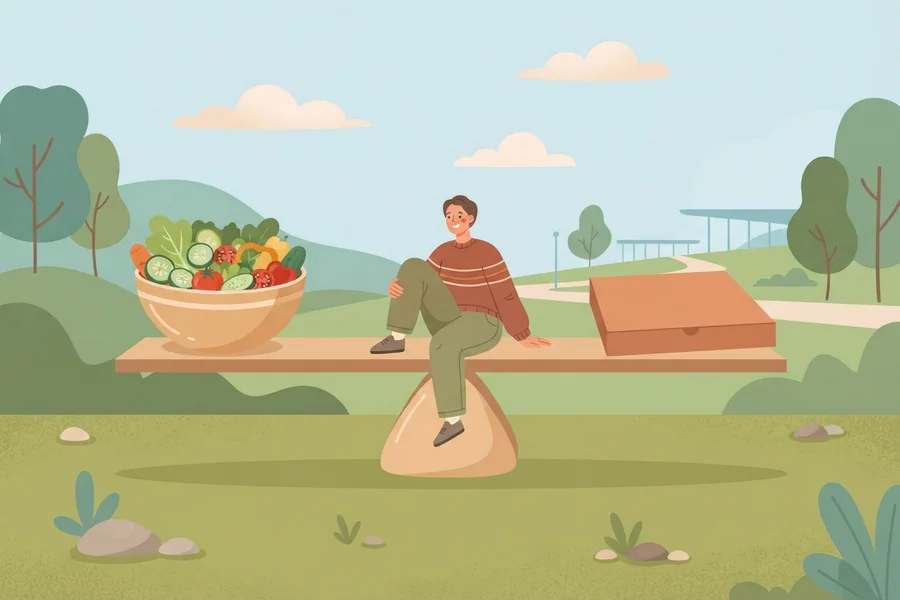
Level Scale Your current habits pull neither way, so the picture is mixed.
Across the six areas, your answers split almost evenly. Some point toward slower aging, others toward faster, and neither group outweighs the other.
This is a real balance, not a foggy or failed reading. Maybe sleep and company are solid while food and movement lag, or the other way round. Each side is doing honest work in your result.
A balance this even is a narrow place to land. It does not come from fence-sitting answers; it comes from strengths and weak spots of equal weight.
What the result can't show is which single area would tip the scale if it moved. It reports the balance and leaves open the question of which habit is doing the most work.
Biological Age Test: your result
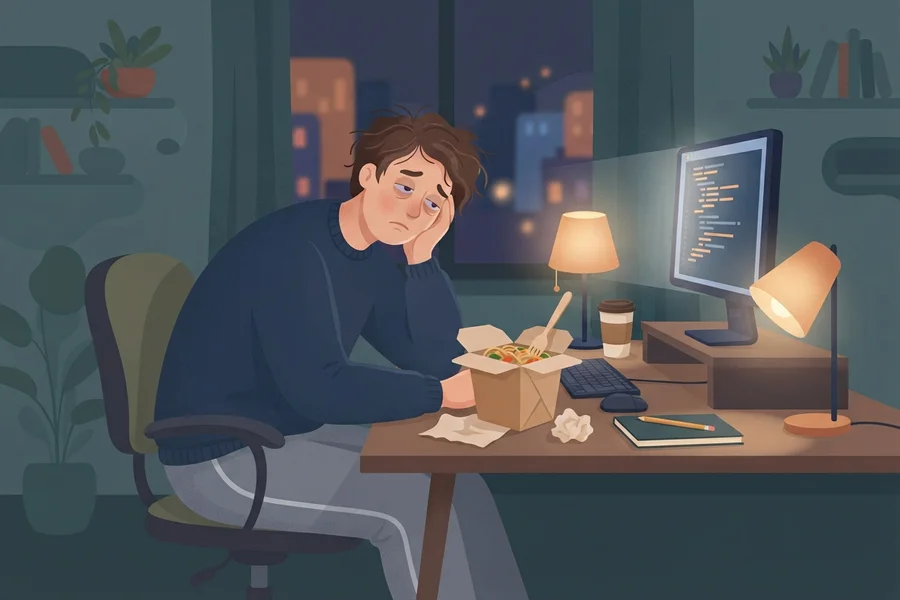
Worn Tread Your current habits pull somewhat toward faster aging.
At least one area of your life has moved past an occasional pattern and become a feature of it. It might be meals that lean processed, a sleep or movement routine that is now the default, or a feeling of distance from people that keeps returning.
The pattern hasn't reached all six areas. Most of what this test looks at still has room on the slower-aging side, and parts of your week are working in your favor.
Answers about smoking and alcohol are a rougher stand-in for what is happening underneath than the rest of the questions, so hold that part of the result a little more loosely.
Habits are changeable, and the area that moved furthest is also the one you can now see most clearly. Nothing about this result is fixed.
Biological Age Test: your result
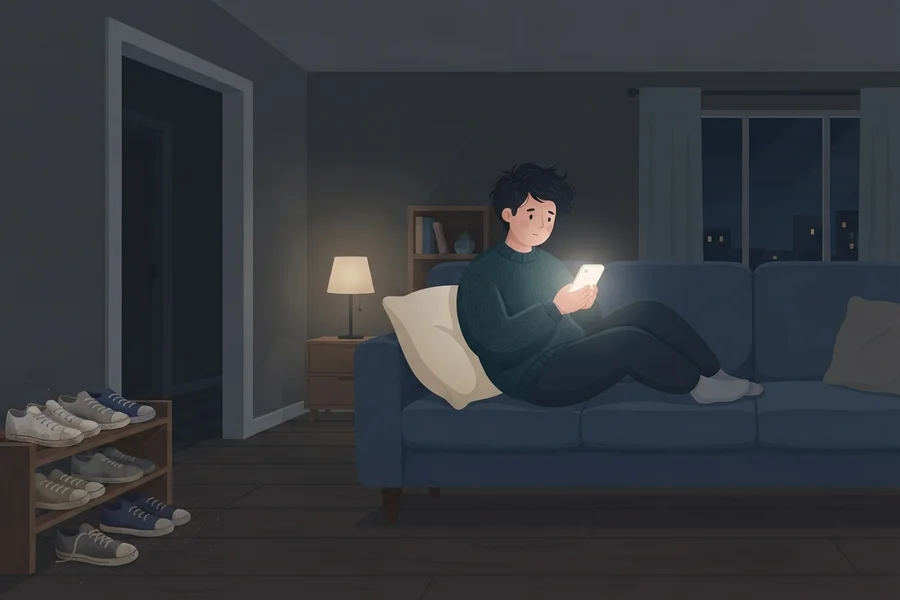
Overdrawn Your current habits pull strongly toward faster aging.
Several of the six areas reached the top rung of the ladder, so those answers describe a standing feature of your days instead of something that appears only in particular situations. Across food, movement, sleep, smoking and alcohol, company, and self-rated health, the unfavorable answers clearly outnumber the favorable ones.
This result names a lean in what you reported, and nothing about a number of years, an age or a gap.
Habits at every level, this one included, can be changed, and nothing here is fixed. What you answered describes this stretch of your life, not the whole of it.
What stays off-screen is whether one area is doing most of the work or several are pulling together. The result describes the pattern you reported and predicts nothing.
Your results are no accident
The classic 16-type personality test rooted in Jung's typology has been rebuilt from the ground up: a new CoreTypes methodology, and a far higher level of accuracy. These might be the most useful ten minutes you'll ever spend on yourself: you walk away with the key to your decisions, your relationships and your results — and it's yours for good.
Take the free testYour result card
More tests like this
 Would You Rather Test
18 would-you-rather dilemmas, always exactly two options — never both, never neither. Answer honestly and see where your instinct actually lands.
 Pickiness Test
Rate how picky an eater you really are across six everyday habits — from new dishes to spice tolerance — and get your result in about 4 minutes.
 Political Test
Answer 30 everyday questions about fairness and change, then see where you land on one values spectrum — no parties, no politicians, just your position.
How this test works
Methodology
This test is based on the approach of self-report lifestyle questionnaires, the kind researchers have studied for how closely they line up with markers of biological aging. It asks about eighteen everyday situations spread over six areas: what fills your plate, how much you move, how you sleep, smoking and alcohol, your contact with other people, and how you rate your own health and how old you feel.
Estimating biological age for real is laboratory work, done with measurements such as epigenetic clocks, a genuine and peer-reviewed field. Nothing here is taken from your body, which is why the result is a level on a five-step scale and never a figure in years. The test gives no age, no gap against your birth date, and nothing as precise as a measured result.
Know the limits as well. Everything is self-reported in a single sitting, and the smoking and drinking answers are a rougher stand-in for what is going on underneath than most other items. No published source offers population cut-points for a composite like this, so the borders between levels are our own. For background on healthy aging in plain language, see the CDC healthy aging overview and the MedlinePlus healthy aging page.
Treat it as a check on your habits and a prompt to look at them, not a medical measurement.
Frequently Asked Questions
What is the difference between biological age and chronological age?
Chronological age is the time since your birth, the figure on your ID. Biological age is a research idea about how worn the body's inner systems appear, and it can run ahead of the calendar or behind it. This page comes at the idea only through your habits and gives no figure.
How accurate is a biological age test?
Claims of accuracy come largely from the people selling the tests, and they vary a lot. Even methods that measure the body directly carry a margin of error. A habits questionnaire like this one shows a direction of travel rather than a precise reading, so don't ask a level to say more than it can.
Can an online test tell you your real age?
No. Typed answers can't be turned into an age figure, because nothing about your body goes into the calculation. What a questionnaire can do is show how your reported habits line up with patterns that studies tie to slower or faster aging.
Can you slow down biological aging?
To a degree, yes. Studies link steadier habits in the areas this test covers with a more favorable lean, and habits are something a person can change. Take that as encouragement rather than a promise.
What factors affect biological aging?
Researchers keep returning to the same handful: smoking and heavy drinking, sleep, what is on your plate, how much you move, the people around you, and how you rate your own health and feel about your age. Those are the six areas this test is built on.
References
- Horvath, S. (2013). DNA methylation age of human tissues and cell types. Genome Biology, 14(10), R115. doi:10.1186/gb-2013-14-10-r115
- Quach, A., et al. (2017). Epigenetic clock analysis of diet, exercise, education, and lifestyle factors. Aging, 9(2), 419-446. doi:10.18632/aging.101168
- Idler, E. L., & Benyamini, Y. (1997). Self-Rated Health and Mortality: A Review of Twenty-Seven Community Studies. Journal of Health and Social Behavior, 38(1), 21-37. doi:10.2307/2955359
- Stephan, Y., Sutin, A. R., & Terracciano, A. (2015). How Old Do You Feel? The Role of Age Discrimination and Biological Aging in Subjective Age. PLOS ONE, 10(3), e0119293.