Am I a Good Person Quiz
Twenty short situations, each with five ways people tend to handle it – pick the one closest to what you’d actually do, not what sounds best. Takes about 5 minutes, and at the end you’ll see where these everyday patterns of decency currently show up for you, and where they don’t yet.

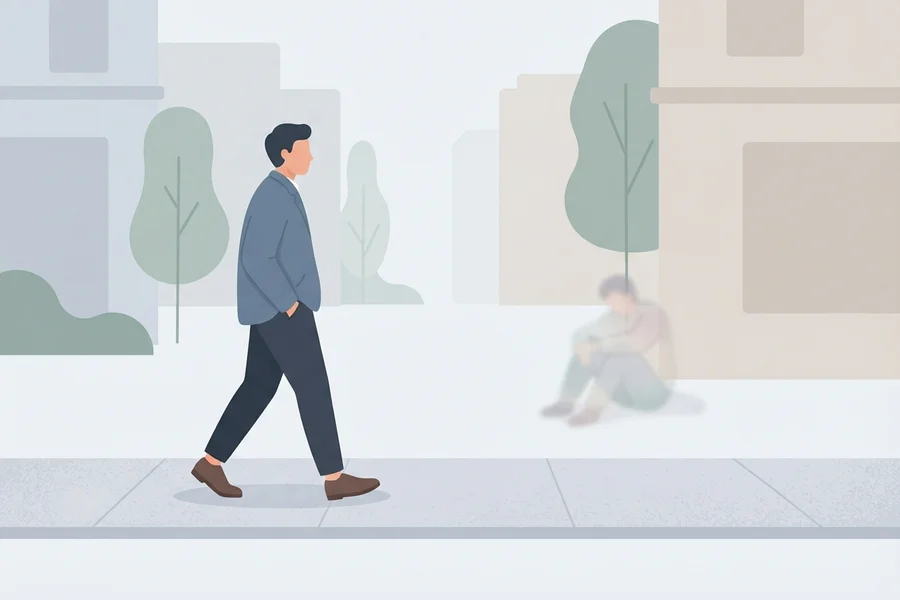
The Quiet Bystander. Decency in your actions shows up rarely.
Across the situations this quiz walked through - a coworker's workload, a stranger's dropped bag, a promise that got inconvenient - these four patterns weren't showing up much: not the helping, the identity check, the real-cost follow-through, or the honesty no one would catch.
A stranger's small need passes without registering as a choice. A financial error in your favor doesn't get a second look. These aren't dramatic failures - they're the specific moments this quiz asked about, read plainly.
There's something useful in that plainness: nothing here got softened or explained away. This describes situations, not a verdict on you as a person - a pattern across twenty described moments isn't the same thing as who you are.
If part of what brought you here is a worry about being a bad person, that worry isn't something this quiz measures - and the closest research on it actually runs the other way, tying that kind of anticipation to somewhat more ethical behavior, not less, though only modestly.
What stays open is simple: twenty situations aren't the whole shape of a life, and nothing here is locked in place.
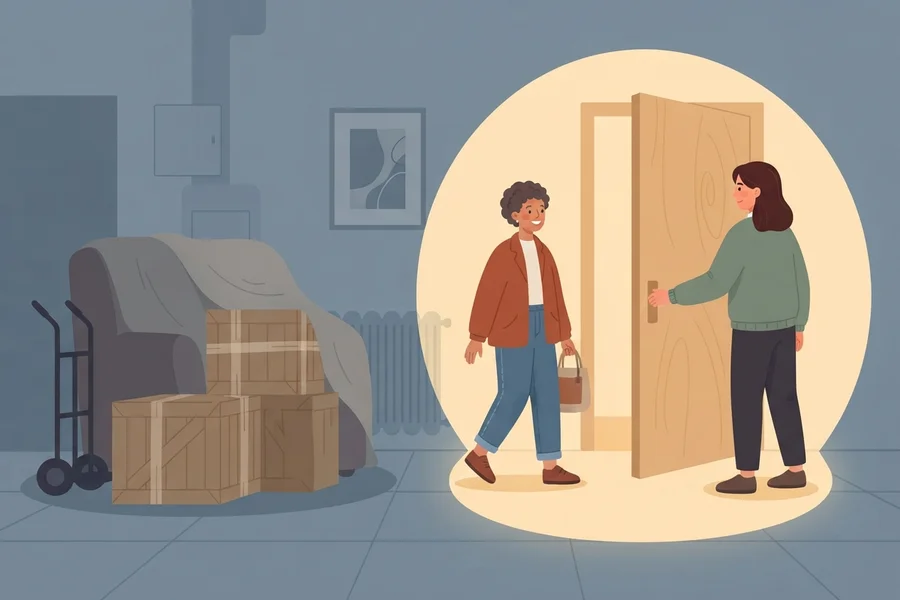
The Fair-Weather Helper. Decency in your actions shows up only when it costs you nothing.
The four patterns you were tested on are genuinely there in what this quiz walked through - they just haven't been asked to hold up against much yet. Helping, honesty, standing on your own values: present, mostly in their easier form.
A coworker gets the quick, low-effort version of help; a friend's shortfall gets covered once they ask outright, not before. A values-based stand survives mild pushback and folds once the room actually disagrees.
That's a real foundation, not nothing - these are patterns that already work in a meaningful share of the situations tested, and that's worth more than a shrug.
The edge shows up specifically where cost enters the picture: real money, real inconvenience, real risk to standing. And if this result stings because you came here already unsure - that unease isn't part of what got scored, and it doesn't predict a worse result either way.
The next time cost actually enters the picture is the real test this quiz couldn't run - that's still ahead, not decided.
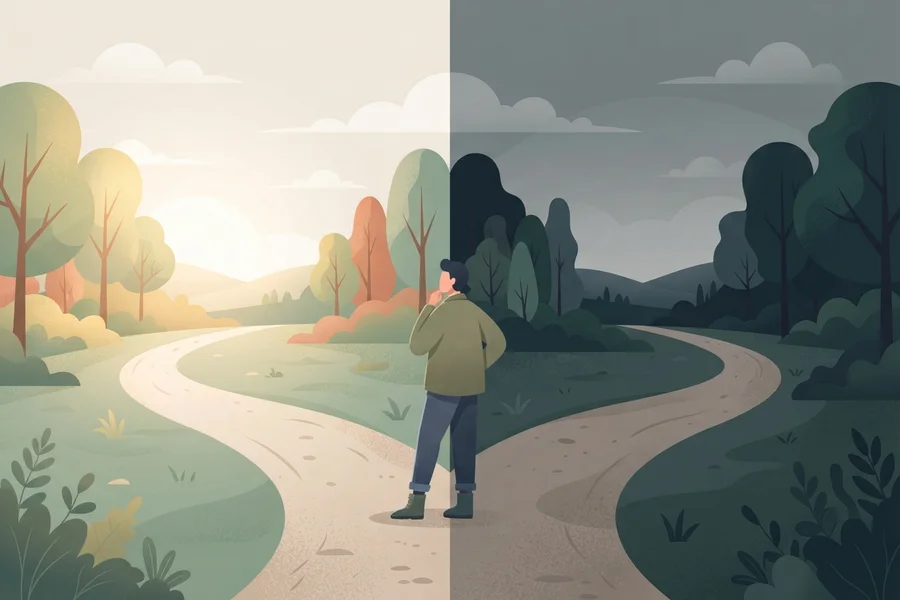
The Situational Compass. Decency in your actions shows up unevenly.
This result doesn't average out to a tidy middle. Across the situations this quiz asked about, the four tested patterns show up strongly in some and barely at all in others - a real, uneven mix rather than a vague in-between.
Credit gets handed back to a colleague without a second thought, while a financial error in your favor slides by unflagged. A promise to someone close survives real inconvenience, while a stranger's small need goes unnoticed on a rushed day.
The strength here is specific rather than general: in certain circumstances, these patterns are already dependable, sturdy enough to count on.
The cost of that same shape is that it's hard to predict which situation shows up next - what holds firm in one kind of moment can still give way in another, without much warning.
Why the split falls exactly where it does isn't something this result explains - worth noticing next time a similar moment comes up.
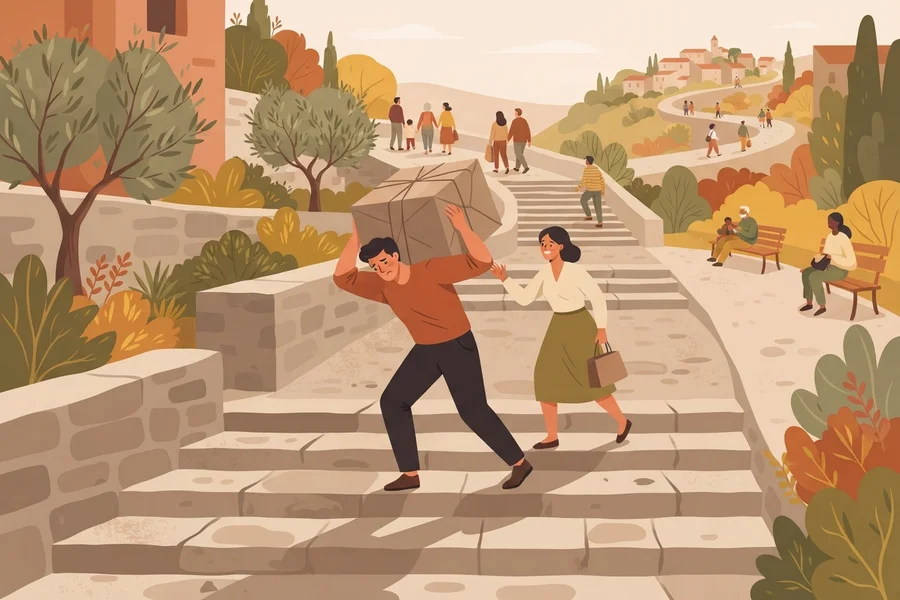
The Steady Hand. Decency in your actions shows up often, even when it costs you something.
These four patterns show up often in what this quiz asked about, including in situations that actually cost something - real money, real inconvenience - and they still tend to carry through.
A coworker's genuinely burdensome overload gets picked up without being asked. A values-based stand survives real, sustained pushback from a room that would rather you dropped it. A promise holds even when no one would have caught the break.
That consistency under actual cost is the real strength here - it's a step past patterns that only work when nothing's being asked of you.
What this result doesn't yet claim is the fullest version - something started entirely unasked, sustained under pressure, with nothing at all gained from it. That's a further edge, not a missing grade.
Beyond these twenty situations sit others this quiz never got to, some with more on the line than anything asked here.
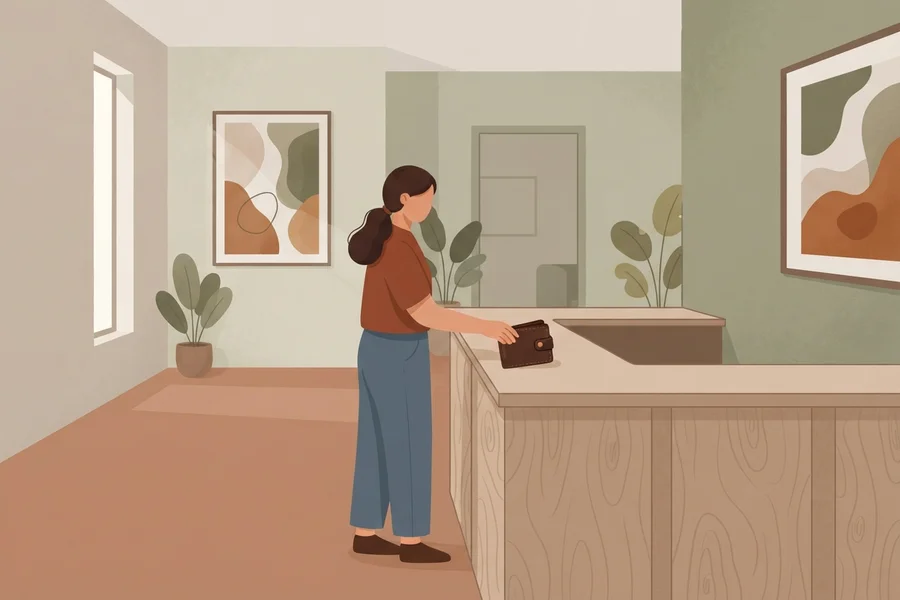
The Unwatched Keeper. Decency in your actions shows up consistently, even when it's costly and no one would know.
What this quiz asked about is where these four patterns hold up most reliably - including under real cost, and including when no one was in a position to notice either way.
An unearned amount of money gets flagged and returned with genuinely no way of ever being traced. A stranger gets the same treatment whether or not anyone whose opinion matters is watching. A colleague's mistake gets owned up to when staying quiet would have been easier and safer.
The people who actually know you would likely name this before you'd think to mention it yourself - that's what consistency under no observation tends to look like from the outside.
What this result isn't is a certificate: most people already believe, without much evidence, that they're more moral than average, so a high reading here confirms a pattern in twenty specific situations - not a claim to have settled the larger question.
Twenty situations were asked about here; plenty more make up a life, and this result doesn't reach past the ones it actually covered.
Your results are no accident
The classic 16-type personality test rooted in Jung's typology has been rebuilt from the ground up: a new CoreTypes methodology, and a far higher level of accuracy. These might be the most useful ten minutes you'll ever spend on yourself: you walk away with the key to your decisions, your relationships and your results — and it's yours for good.
Take the free testFrequently Asked Questions
How do you actually know if you're a good person?
You don't get there from one trait or one gut check. This quiz splits it into separate pieces - do you hold up once something actually costs you, are you the same behind closed doors as in front of people, do you help others without being asked, does decency factor into how you see yourself - and no single answer decides the whole picture.
How can you tell if you're actually good, rather than just assuming you are?
Here's the catch: almost everyone already rates themselves as more decent than the next person, evidence or no evidence - that's just how self-image tends to work. A read built on specific conduct, rather than on that gut sense, is the part that can actually tell you something new.
Does worrying about being a bad person say something bad about me?
Nobody has actually studied whether worrying about this exact question predicts how you behave - that particular link hasn't been tested. What the closest evidence does suggest runs almost the opposite way: bracing for guilt ahead of time tends to line up with slightly better conduct, not worse. It's a small effect, worth knowing about, but not a verdict either way.
Can someone be a decent person and still do bad things sometimes?
Yes, easily. This quiz adds up your answers across a whole set of separate situations, not one moment - so a single slip, or a single shining moment, isn't enough to flip the whole result.
Can this change, or is it fixed?
What you get back is a snapshot of the situations this quiz asked about, taken right now - not a life sentence. Nothing here claims it can't look different next year.
Methodology
This quiz borrows from research on how people actually behave, not how they see themselves. Four things get looked at: whether you stay consistent when nobody's watching, whether you actually help people who need it, whether you'll still do right by someone once it costs you something, and how much being decent is wrapped up in who you think you are.
All of that is about conduct, not feeling. How warmly you feel toward other people - empathy, that whole side of things - is a different question this quiz doesn't touch; it belongs to a separate kind of test entirely.
One thing was left out on purpose: any credit for stressing over the answer. Feeling guilty or anxious about your own decency isn't scored here at all. If anything, the evidence leans the other way - people who brace for guilt ahead of time tend to act a touch better, not worse, though the effect is small and this quiz doesn't treat it as an achievement.
Answers here come from you, about yourself, so take the usual grain of salt that comes with any self-report. And the result reflects how you handled the specific set of situations this quiz put in front of you - not a permanent trait, and not a ruling on your character. For background, see how psychologists define prosocial behavior, or what the evidence says about small acts of kindness.
References
- Caprara, G. V., Steca, P., Zelli, A., & Capanna, C. (2005). A new scale for measuring adults' prosocialness. European Journal of Psychological Assessment, 21(2), 77–89. doi:10.1027/1015-5759.21.2.77
- Aquino, K., & Reed, A. II. (2002). The self-importance of moral identity. Journal of Personality and Social Psychology, 83(6), 1423–1440. doi:10.1037/0022-3514.83.6.1423
- Sekerka, L. E., & Bagozzi, R. P. (2007). Moral courage in the workplace: moving to and from the desire and decision to act. Business Ethics: A European Review, 16(2), 132–149. doi:10.1111/j.1467-8608.2007.00484.x